↓
 

Huntsville Land Surveying

Land Surveying in Huntsville, Madison County, Alabama

Huntsville Land Surveying
  • Home
  • ALTA Survey
  • Boundary Surveying
  • Construction Survey
  • Drone LiDAR Mapping
  • Elevation Certificate
  • Lot Survey
  • Land Surveying
  • Topographic Survey | Topo Survey
    • Contour Lines and Finding Profile in a Topographic Map
  • Blog
  • Contact Us
Home - Page 3 << 1 2 3 4 5 … 10 11 >>

Post navigation

← Older posts
Newer posts →

How Survey Mapping Helps Prevent Costly Design Errors Early

Huntsville Land Surveying Posted on May 19, 2026 by HunstvillePLSMay 5, 2026
Survey mapping equipment used on a project site to help prevent costly design errors

When it comes to project planning, you’re aware that design errors can be costly and time-consuming. Survey mapping stands out as a critical tool in identifying potential inaccuracies and conflicts early on. By leveraging advanced technologies, you can streamline your process and foster collaboration within your teams. The question is, how can you effectively integrate survey mapping into your design to maximize its benefits? Let’s explore that further.

Explore Survey Mapping and Its Benefits

When you delve into survey mapping, you’ll discover it’s an essential tool for a wide range of applications, from construction to environmental studies. It helps you to accurately assess land features and boundaries, using advanced land survey techniques that ensure precision.

By utilizing mapping software, you can visualize data in a way that makes informed decision-making easier. This technology streamlines the collection and analysis of survey data, saving time and reducing errors.

You’ll find it invaluable for planning projects, as it enables you to anticipate challenges before they arise. With a proper understanding of survey mapping and its benefits, you can enhance project accuracy and efficiency, ultimately leading to better outcomes for your initiatives.

Common Design Errors Uncovered With Survey Mapping

When you use survey mapping, you’ll quickly uncover common design errors that could derail your project. Inaccurate measurements, misaligned infrastructure, and design clashes become apparent early, helping you address issues before they escalate.

This proactive approach not only saves time but also resources, making your designs more efficient.

Inaccurate Measurements Discovered Early

Survey mapping plays a crucial role in identifying inaccuracies early in the design process. By employing advanced measurement techniques, you can pinpoint potential errors before they spiral into costly mistakes.

These techniques allow you to gather accurate data about the site’s topography and boundaries, ensuring that your designs align with real-world conditions. When you discover measurement inaccuracies early, you enable effective error mitigation strategies, allowing for swift adjustments and revisions.

This proactive approach not only saves time but also reduces the likelihood of project delays and budget overruns. Ultimately, embracing survey mapping can enhance your design process, leading to more reliable outcomes and greater client satisfaction.

Don’t underestimate the value of precise measurements in your projects!

Misaligned Infrastructure Identified Quickly

Identifying misaligned infrastructure early can save you from significant complications down the road. By conducting a thorough site survey, you’ll uncover issues related to infrastructure alignment before they become costly. Addressing these misalignments promptly enhances your project’s success.

Consider the following key benefits of early identification:

  • Prevents structural complications
  • Reduces costly redesigns
  • Ensures adherence to regulations
  • Enhances project timelines
  • Improves overall project efficiency

Design Clashes Highlighted Promptly

By addressing misaligned infrastructure, you pave the way for a smoother project experience, but that’s just the beginning. Utilizing survey mapping enables you to highlight design clashes promptly.

With spatial analysis, you can visualize how different elements interact, helping you uncover potential conflicts early in the design process. This proactive approach fosters design synergy, as it allows you to make adjustments before construction begins.

You’ll minimize costly errors and revisions, ultimately saving time and resources. By identifying issues like overlapping utilities or inadequate spacing between structural elements, you ensure every aspect aligns perfectly.

Engaging in regular survey mapping can transform your project’s outcome, highlighting hidden flaws and enhancing the overall design efficiency.

Enhancing Survey Mapping Accuracy With Advanced Technologies

Survey mapping data displayed on engineering software to improve planning accuracy and reduce design errorsAccurate mapping is crucial for successful projects, as even minor errors can lead to significant setbacks. By employing precision techniques and innovative tools, you can enhance survey mapping accuracy.

Here’s how advanced technologies can make a difference:

  • Use drones for aerial surveys that provide comprehensive data.
  • Implement GPS systems with high accuracy for precise location tracking.
  • Apply LiDAR technology to capture detailed topographic features.
  • Utilize software that integrates GIS with mapping data for seamless analysis.
  • Integrate machine learning algorithms to predict potential errors and inconsistencies.

How to Integrate Survey Mapping Into Your Design?

Integrating survey mapping into your design is crucial for achieving accurate results.

By fostering collaboration between your teams and leveraging the right technology and tools, you can streamline the process and enhance data accuracy.

Let’s explore how these elements work together to improve your design outcomes.

Importance Of Accurate Data

When you prioritize accurate data in your design process, you lay the foundation for a successful project. Ensuring data reliability and precision measurements is essential to avoiding costly design errors.

Here’s how to integrate accurate survey mapping data into your design:

  • Verify the source of your data for credibility.
  • Use high-resolution maps to enhance detail and accuracy.
  • Implement regular data updates to maintain current information.
  • Cross-reference data from multiple surveys for consistency.
  • Train your team on interpreting and utilizing survey data effectively.

Collaboration Between Teams

Working with accurate data is just the beginning; effective collaboration between teams takes that data to the next level. By integrating survey mapping into your design process, you enhance team dynamics and ensure everyone’s on the same page.

Share data early and encourage open discussions to foster improved communication among all stakeholders. Schedule regular meetings to address concerns, review progress, and align objectives, creating a cohesive approach that mitigates costly design errors.

Encourage input from different team members, as varied perspectives can uncover insights you might overlook. By working together harmoniously, you not only streamline the design process but also build a stronger foundation for success.

Embrace this collaborative spirit, and watch as your project flourishes.

Technology And Tools Integration

To effectively integrate survey mapping into your design, start by leveraging advanced software and tools that facilitate seamless data sharing.

Ensure that you choose solutions promoting software compatibility for effective geospatial analysis.

Here are some key steps to follow:

  • Use CAD and GIS software for real-time data integration.
  • Implement cloud-based platforms for easy access across teams.
  • Familiarize yourself with APIs to connect different tools.
  • Train your team on data visualization techniques for better understanding.
  • Regularly update software to utilize the latest features.

Collaborate With Stakeholders Using Survey Data

Harnessing survey data can significantly enhance collaboration with stakeholders, bringing valuable insights to the forefront. By facilitating data sharing, you foster stakeholder engagement and ensure everyone’s on the same page. This open dialogue allows for effective decision-making, ultimately improving project outcomes.

Here’s how survey data informs stakeholder collaboration:

Aspect Benefits Example
Communication Clearer project objectives Regular updates
Feedback Loop Rapid issue resolution Stakeholder reviews
Resource Alignment Efficient use of resources Coordinated planning
Risk Management Identifying potential risks Early intervention
Project Adaptability Flexibility in design choices Adjusting based on input

Together, these strategies create a more unified project environment.

Cost Savings From Early Error Detection and Prevention

While effective stakeholder collaboration enhances project success, it can also play a vital role in detecting and preventing errors early on. By leveraging survey mapping techniques, you can achieve significant cost savings through early error detection. Here’s how:

  • Cost reduction through immediate corrections
  • Improved project efficiency by streamlining workflows
  • Enhanced risk management strategies to tackle potential issues
  • Better budget control by preventing costly revisions
  • Optimized resource allocation for project tasks

With these advantages, you’ll maintain timeline adherence and ensure quality assurance.

Active stakeholder engagement fosters communication and collective problem-solving, keeping projects on track and within budget.

Frequently Asked Questions

What Types of Projects Benefit Most From Survey Mapping?

Infrastructure projects, environmental assessments, residential developments, commercial constructions, transportation planning, and urban redevelopment all benefit significantly from survey mapping. It ensures accurate planning, minimizes errors, and helps you avoid costly issues throughout the project lifecycle.

How Often Should Surveys Be Updated During a Project?

You should update surveys at key project phases and consider frequency intervals based on project complexity. Regular updates keep your data accurate, helping you make informed decisions and reduce the risk of design errors.

What Qualifications Should a Surveyor Have?

A qualified surveyor should have relevant education in geomatics or surveying and meet certification requirements, which typically include passing exams and gaining practical experience. This ensures accuracy and adherence to industry standards in your projects.

Can Survey Mapping Be Used for Regulatory Compliance?

Yes, survey mapping’s crucial for meeting regulatory guidelines. It helps you conduct compliance checks effectively, ensuring your projects align with legal requirements. By using accurate mapping, you avoid potential setbacks during inspections and approvals.

What Is the Typical Timeframe for Completing Survey Mapping?

Typically, you can expect to complete survey mapping in a few days to several weeks. Data accuracy and technology integration play crucial roles in streamlining the process and ensuring reliable results that meet your project needs.

Posted in land surveying | Tagged survey mapping

Searching “Surveyors Near Me”? Here’s How to Pick the Right One

Huntsville Land Surveying Posted on May 15, 2026 by HunstvillePLSMay 6, 2026
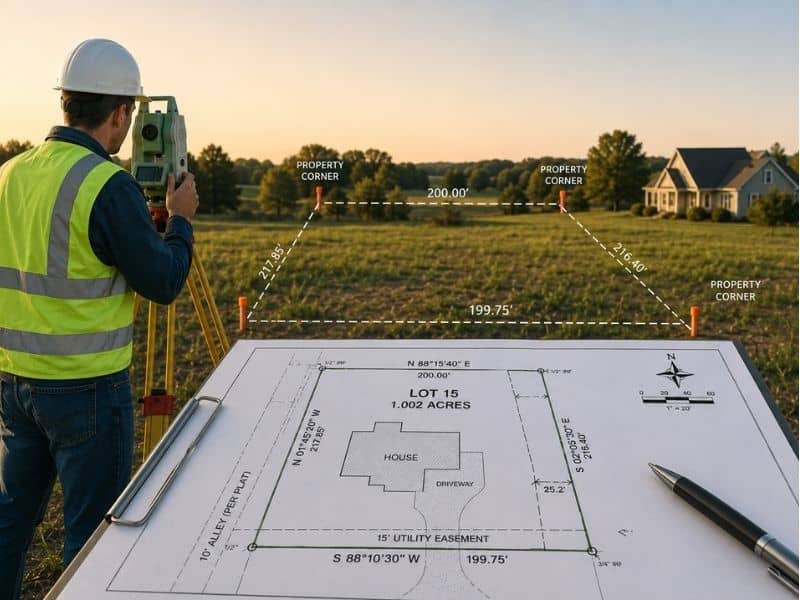
Professional land surveyor using surveying equipment at a construction site

When you’re searching for “surveyors near me,” making the right choice can significantly impact your project’s outcome. You’ll want to focus on their qualifications and experience, ensuring they use modern tools and techniques. But how do you sift through various options to find the best fit? Consider exploring reviews and recommendations, as they can reveal insights that may not be immediately apparent…

Why Choosing the Right Surveyor Matters for Your Project

When you embark on a construction or development project, choosing the right surveyor can significantly impact your project’s success.

The importance of accuracy in surveying can’t be overstated; even a minor miscalculation can lead to costly delays and problems down the line. A qualified surveyor’s role in development ensures precise measurements and clear boundaries, which are crucial for compliance with local regulations and successful project execution.

They provide essential data that influences designs and planning, ultimately affecting your project’s timeline and budget. By selecting a competent surveyor, you position your project for smoother progress and reduce the risk of unexpected challenges.

In short, the right choice in a surveyor isn’t just beneficial—it’s vital for achieving your project goals.

Identifying Essential Qualifications of a Good Surveyor

To ensure your project runs smoothly, it’s crucial to identify the essential qualifications of a good surveyor. You’ll want someone who not only meets certification standards but also has the hands-on expertise to back it up.

Here are three key qualifications to look for:

  1. Certification: Verify that they hold relevant licenses and certifications from recognized bodies.
  2. Industry Experience: Experienced surveyors bring valuable insights and practical problem-solving skills to your project.
  3. Technical Proficiency: Ensure they’re proficient in modern surveying technologies and software, which enhances accuracy and efficiency.

Choosing a qualified surveyor means your project will benefit from both skill and professionalism, setting a solid foundation for success.

Don’t underestimate the importance of these qualifications!

How to Assess Surveyor Reviews and Recommendations to Make Informed Choices

How can you ensure that you’re choosing the right surveyor? Start by diving into reliable review platforms to gather insights on local surveyors.

Look for patterns in the client testimonials—are clients consistently satisfied, or are there recurring complaints? Pay attention to specific details in reviews that highlight the surveyor’s strengths and weaknesses. A well-rounded surveyor will often have a blend of ratings, but consistent positive feedback on communication and accuracy is crucial.

Don’t hesitate to request referrals from friends or colleagues, as personal recommendations can provide valuable context.

Lastly, trust your instincts. If something feels off about a surveyor, it might be wise to keep exploring your options until you find the right fit.

What Can You Expect From a Surveyor?

Professional property survey plans reviewed by surveyors near meExpect a thorough assessment from your surveyor, as they’ll provide a wealth of information crucial for your project.

You’ll gain insights that help guide your decisions and ensure everything runs smoothly. Here are three key expectations:

  1. Identification of Property Boundaries: Using common survey methods, your surveyor will accurately define the limits of your property, preventing future disputes.
  2. Detailed Reports: Expect comprehensive documentation detailing the types of surveys performed, including topographic and boundary surveys, to give you a clear understanding.
  3. Expert Recommendations: Your surveyor will offer tailored advice based on their findings, helping you make informed decisions moving forward.

With their expertise, you can confidently embark on your project knowing you’re well-prepared.

Comparing Surveyor Fees: Get Quality Without Overspending!

Here’s a simple table to help:

Fee Structure Common Inclusions
Hourly Rate Initial Consultation, Site Visit
Flat Fee Detailed Report, Regulatory Filing
Percentage of Project Value Ongoing Support, Revisions

Reviewing these elements allows you to evaluate what you truly need versus what you’re being offered. Always ask questions to clarify any uncertainties so you can avoid hidden costs and choose wisely!

Frequently Asked Questions

How Long Does a Typical Survey Take to Complete?

A typical survey can take anywhere from a few days to several weeks. It often depends on survey types and project factors, like complexity, size, and site accessibility, impacting the overall completion time significantly.

What Technology Do Surveyors Use During Assessments?

Surveyors use GPS technology for precise location data, laser scanning for detailed surface measurements, aerial drones for capturing landscape visuals, and advanced mapping software to analyze and present information effectively during assessments.

Are Surveyors Required to Have Insurance?

Yes, surveyors are typically required to have insurance. They need various coverage types, including professional liability and general liability, to protect themselves and clients from potential errors, omissions, or accidents during their work.

Can Surveyors Help With Zoning or Land Use Issues?

Yes, surveyors can help with zoning and land use issues. They’ll navigate zoning regulations and provide valuable insights, ensuring your project complies with local laws to avoid future complications and delays.

What Should I Do if I Disagree With the Survey Results?

If you disagree with the survey results, address it promptly. Gather your evidence, discuss the discrepancies with the surveyor, and explore dispute resolution methods to ensure the survey accuracy meets your expectations and needs.

Posted in land surveyor | Tagged land surveyor, land surveyor huntsville

When You Need an Elevation Certificate and What It Tells You About Flood Risk

Huntsville Land Surveying Posted on May 13, 2026 by HunstvillePLSMay 5, 2026
Surveyors performing an elevation certificate survey for a residential property in a flood-risk area

If you own a property in a flood-prone area, understanding your flood risk is essential. An Elevation Certificate can be a key tool in this process, providing vital information about your property’s elevation and flood zone status. You might need this certificate at various stages, such as prior to closing on a home or during renovations. But how exactly does it impact your insurance and risk management strategies? Let’s explore further.

How Elevation Certificates Help You Manage Flood Risk

Elevation Certificates are invaluable tools for homeowners in flood-prone areas, helping you understand and manage your flood risk effectively.

By providing an accurate elevation of your property in relation to the base flood elevation, these certificates play a crucial role in floodplain management. You can use this information to assess your specific risk level and make informed decisions about insurance and development options.

Knowing where your home stands within the floodplain allows you to gauge potential impacts from flooding, enhancing your risk assessment. Armed with this knowledge, you can implement mitigation measures, like elevating your home or opting for flood insurance, ultimately reducing the financial impact of a flood event.

You’ll feel more secure when you’re prepared and proactive.

What an Elevation Certificate Includes

Floodplain and elevation data being reviewed for an elevation certificate and property flood risk assessmentAn Elevation Certificate includes crucial details that help you understand your property’s flood risk. It provides essential elevation data that can influence insurance premiums and flood zone determinations.

Here’s what you can expect to find:

  1. Building location – Exact geographical coordinates of your property.
  2. Elevation information – Heights of the lowest floor and the floodplain elevation.
  3. Flood zone designation – Identifies your property’s placement in flood mapping.
  4. Structural details – Information about the building’s design, like foundation type.

Understanding these elements not only helps prepare for potential flooding but also ensures you’re well-informed when interacting with insurance providers and local regulations.

Knowing this data helps you make better decisions regarding flood risk management.

When to Get an Elevation Certificate for Your Property?

Wondering when you should get an Elevation Certificate for your property? It’s crucial during property assessments and if you’re in a designated flood zone. You’ll need one when applying for flood insurance or when building, renovating, or improving your home. Here’s a quick guide to help you decide:

Situation When to Get an Elevation Certificate
Buying a new home Before closing on the property
Renovating or building Prior to construction
Applying for flood insurance During application
Required by lender As part of the mortgage process
Local government request When needing compliance with floodplain regulations

Having this certificate in hand will help you understand your flood risk and make informed decisions.

The Impact of Elevation on Insurance Premiums

Your property’s elevation can significantly influence your insurance premiums.

Understanding your flood zone designation and ensuring your elevation is accurately reported can lead to potential premium discounts.

Understanding Flood Zone Designations

Understanding flood zone designations is crucial, especially when it comes to how elevation affects insurance premiums. Different flood zone types influence your risk and costs. Here’s what you need to know:

  1. Zone A: High-risk areas where flood insurance is usually required.
  2. Zone B: Moderate-risk zones, often facing lower premiums.
  3. Zone C: Minimal flood risk, which can lead to significantly reduced insurance rates.
  4. Coastal Zones: Specific zoning regulations apply, enhancing importance for elevated properties.

Your home’s elevation can keep you from high-risk classifications.

When you navigate these flood zones accurately, you’re not only complying with zoning regulations but also potentially saving on your insurance premiums. Understanding these designations makes a real difference in your financial planning.

Importance of Accurate Elevation

Accurate elevation measurements can significantly influence your flood insurance premiums. When your home’s elevation is assessed against floodplain mapping, it directly impacts your risk assessment and potential costs. A higher elevation typically results in lower premiums, while properties situated closer to the base flood level might face steeper rates.

Here’s a breakdown of how elevation can affect your insurance premiums:

Elevation Level Risk Category Premium Impact
Above Base Flood Low Risk Reduced Premiums
At Base Flood Moderate Risk Standard Premiums
Below Base Flood High Risk Increased Premiums
Compliance Varies Potential Discounts
Non-Compliance High Risk Maximum Premiums

Understanding these dynamics can help you make informed decisions about your insurance.

Premium Discounts for Compliance

Compliance with elevation standards can lead to significant premium discounts on flood insurance. When you ensure your property meets these criteria, you unlock several compliance benefits that can reduce your overall costs.

Here are four key points to consider:

  1. Lower Rates: Elevation compliance often results in lower insurance rates.
  2. Increased Premium Qualifications: Meeting standards helps you qualify for various premium discounts.
  3. Risk Mitigation: A well-elevated property indicates a lower flood risk, further impacting premium costs.
  4. Potential Savings: You might save thousands over the life of your policy by adhering to elevation requirements.

Taking advantage of compliance benefits not only gives you peace of mind but also improves your financial situation when it comes to flood insurance.

Mitigation Strategies From an Elevation Certificate

While you may not think about it often, an Elevation Certificate plays a crucial role in identifying and managing flood risk for your property. This document helps you understand your property’s elevation in relation to the base flood elevation, allowing you to conduct a thorough risk assessment.

By knowing this information, you can implement effective floodproofing techniques tailored to your situation. For instance, elevating your home on piers or using flood-resistant materials can significantly reduce the risk of flood damage. Additionally, you might consider installing sump pumps or backflow valves to further mitigate potential water intrusion.

Ultimately, an Elevation Certificate empowers you to make informed decisions, protecting your investment from the devastating impacts of flooding.

Who Can Help You Get an Elevation Certificate?

When you’re ready to get your Elevation Certificate, several professionals can assist you.

Licensed surveyors and engineers play key roles, and your local building department can guide the process.

Don’t forget your insurance agent, who can provide valuable insights tailored to your specific flood risk.

Licensed Surveyors and Engineers

Finding the right licensed surveyor or engineer can make all the difference in obtaining an Elevation Certificate for your property.

You’ll want someone who understands land surveying and adheres to engineering standards. Here’s how to choose the right professional:

  1. Check Credentials: Ensure they’re licensed and experienced in elevation surveys.
  2. Experience with Flood Zones: Look for someone who’s worked specifically with flood risk assessments.
  3. Reputation: Read reviews or ask for referrals to gauge their reliability.
  4. Communication: Choose someone who communicates clearly and keeps you informed throughout the process.

Local Building Departments

Local building departments play a crucial role in helping you secure an Elevation Certificate for your property, as they have the resources and knowledge to guide you through the process. They understand local regulations and can provide vital information regarding building permits needed for your project.

Here’s a quick overview of what you might gain from working with them:

Service Role Benefits
Guidance on Process Assist with documentation Streamlined application
Understanding Codes Explain local regulations Compliance assurance
Permit Requirements Detail necessary permits Avoid delays in your project
Local Knowledge Advise on elevation specifics Accurate assessments of flood risk

Insurance Agents Assistance

While working on your Elevation Certificate, insurance agents can be invaluable allies in navigating the complexities of flood insurance requirements. They can help you with:

  1. Understanding your insurance policy: Agents explain the ins and outs of coverage related to flood risks.
  2. Conducting a risk assessment: They’ll evaluate your property’s potential flood exposure based on the certificate data.
  3. Finding qualified surveyors: Agents often have a network of professionals who can provide your Elevation Certificate efficiently.
  4. Assistance with claims: Should the need arise, they can guide you through the claims process tied to flood insurance.

Frequently Asked Questions

How Much Does an Elevation Certificate Typically Cost?

An elevation certificate typically costs between $300 to $800, depending on factors like location and complexity. Be aware of elevation survey requirements, as they can influence elevation certificate pricing in your area.

Are Elevation Certificates Required for All Properties?

No, elevation certificates aren’t required for all properties. However, if you’re seeking flood insurance or need property assessments, having one can significantly help determine your flood risk and might be necessary in certain scenarios.

How Often Should an Elevation Certificate Be Updated?

You should update your elevation certificate every few years or whenever significant changes occur. Follow frequency recommendations and updating procedures from local authorities to ensure your property’s flood risk assessment remains accurate and reliable.

Can I Use Old Elevation Certificates for New Insurance Policies?

You can use old elevation certificates for new insurance policies, but be cautious. Flood insurance implications may arise if the data is outdated, potentially affecting your coverage. Updating ensures accurate representation of your property’s flood risk.

What if My Property Is Not in a Flood Zone?

If your property’s not in a flood zone, you might not need specific flood insurance, but verify your insurance requirements. Some lenders still require coverage regardless of flood zone status, so check your policy.

Posted in land surveying | Tagged Elevation Certificate, Flood Risk

Post navigation

← Older posts
Newer posts →

Contact Us

    © Copyright Huntsville Land Surveying
    Huntsville, Alabama
    Phone: (256) 585-6002

    Privacy Policy | Terms of Use

    Web Development and SEO by: AuburnBusiness.com

    This website is a marketing website for Mike Stanley, PLS, Stanley Land Surveying, who provides professional land surveying and engineering services in the Huntsville, Alabama area.

    ↑