
ALTA Land Survey Issues That Can Quietly Change a Commercial Deal
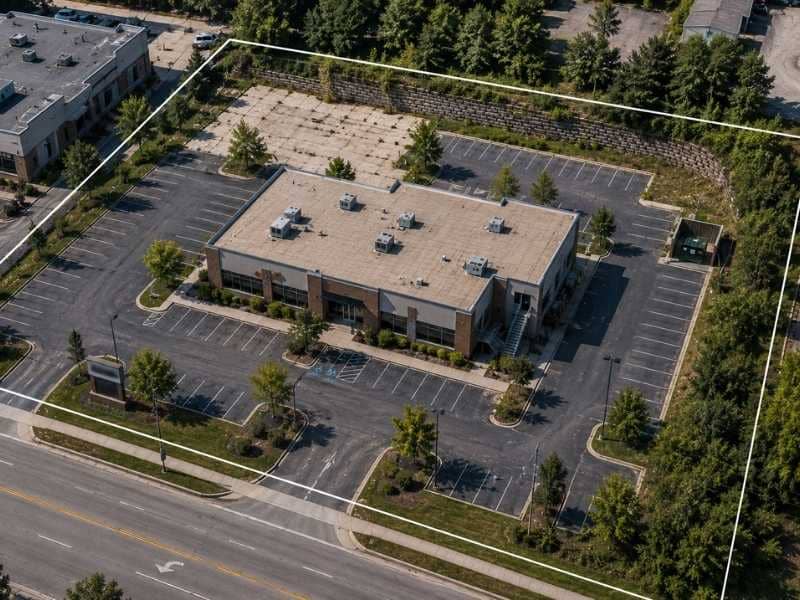
An ALTA land survey gives buyers, lenders, and developers a detailed picture of a commercial property before a deal closes. Most people expect a survey to show property lines and building locations. What surprises many commercial buyers is how much more an ALTA survey reveals, and how some of those findings quietly change the direction of a deal. Knowing what to look for before the survey comes back helps everyone involved respond faster when something unexpected shows up.
How an ALTA Land Survey Can Find Old Features That Change a Deal
Commercial properties carry history. A site that has been used, redeveloped, or partially cleared over many years may still have physical remnants of earlier uses sitting on the ground. Old pavement from a demolished structure. A retaining wall from a prior grading project. A concrete pad from a removed outbuilding. These features don’t always show up in older records, but they do show up on an ALTA survey.
Finding them matters because they affect planning. A buried or partially buried surface feature sitting in the middle of a planned development footprint creates a removal cost that wasn’t in the original budget. A retaining wall near the boundary may raise questions about maintenance responsibility or whether it encroaches onto an adjacent parcel. None of those questions are easy to answer quickly, and discovering them late in a deal puts everyone under pressure.
Why an ALTA Land Survey Checks the Space Around Buildings
An ALTA survey doesn’t just show where buildings sit. It shows how they relate to the property lines around them. That distinction matters a lot for commercial buyers who plan to change, expand, or reposition what’s on a site after closing.
A building that sits close to the property line on one side may have little room for a loading dock addition or a utility connection. A parking area that extends nearly to the boundary may leave no buffer for a planned access road. These conditions aren’t problems on their own, but they become problems when a buyer’s plans assume space that the survey shows doesn’t exist. Getting that information before closing gives buyers time to adjust plans, renegotiate terms, or ask questions that the seller needs to answer.
How an ALTA Land Survey Helps Spot Access Problems
How people and vehicles move through a commercial site affects what the site can support. An ALTA survey maps the driveways, alleys, curb cuts, and entry points that exist on the ground. It also shows whether those access points line up with what the recorded documents describe.
Sometimes the access that a buyer sees on a site visit doesn’t match what’s legally recorded. A driveway may cross a neighboring parcel without a recorded easement behind it. A rear alley may provide access that has never been formally documented. A shared entry point may have an agreement that was verbal rather than written. Any of these conditions can limit how the property is used after purchase. A buyer who discovers an access issue after closing has far fewer options than one who finds it during due diligence.
What an ALTA Land Survey Can Show About Small Site Features
Large features like buildings and parking lots get most of the attention during due diligence. Smaller site features often get overlooked. An ALTA survey records those too, and sometimes they’re the ones that raise the most questions.
A freestanding sign sitting near the property line may or may not sit within the legal boundary. Exterior stairs attached to a building may extend closer to the lot line than local rules allow. A dumpster enclosure placed at the edge of the site may sit in an easement area. Utility meters, bollards, and small concrete pads all have positions on the ground that the survey documents. Individually, these features seem minor. But when one of them sits in a restricted area or conflicts with a planned improvement, it creates a question that takes time to resolve. Finding it early keeps that resolution from blocking the closing.
Why an ALTA Land Survey Gives Buyers a Clearer Picture of a Property
A commercial property looks one way from the street and another way on a survey. The survey shows what’s actually there, where everything sits relative to the legal boundary, and what conditions exist that aren’t visible without fieldwork. That information serves everyone involved in a deal.
Buyers use it to confirm that the property matches what they expect before committing. Lenders use it to evaluate whether the site supports the loan they’re being asked to fund. Title companies use it to identify conditions that need to be addressed before extended coverage can be issued. Developers use it to check whether their plans fit within what the site can physically support. When the survey comes back early, everyone has time to work through what it shows. When it comes back late, the same findings create pressure that affects the entire deal.
Frequently Asked Questions
What information does an ALTA land survey provide?
An ALTA land survey shows property lines, building locations, access points, easements, and other physical features on a commercial site. It maps how improvements and site conditions relate to the legal boundary and to each other.
Why is an ALTA land survey important before buying commercial real estate?
A commercial property may have conditions on the ground that don’t appear in title documents or listing information. An ALTA survey records what’s actually there, giving buyers, lenders, and developers accurate information before the transaction is final.
Who uses the results of an ALTA land survey?
Buyers, lenders, title companies, attorneys, and developers all rely on ALTA survey results during a commercial transaction. Each party uses the findings to evaluate different aspects of the deal, from physical site conditions to legal coverage questions.
Can an ALTA land survey reveal problems that are easy to miss?
Yes. Old site features, small structures near property lines, access arrangements without legal documentation, and easement conflicts are all things that don’t show up in a basic property review. An ALTA survey is designed to find and document those conditions.
When should an ALTA land survey be ordered?
Ordering the survey early in the due diligence process gives everyone involved more time to review the findings. Issues that surface early can be addressed before they affect the closing timeline. The same issues discovered late create pressure that is harder to manage.