↓
 

Huntsville Land Surveying

Land Surveying in Huntsville, Madison County, Alabama

Huntsville Land Surveying
  • Home
  • ALTA Survey
  • Boundary Surveying
  • Construction Survey
  • Drone LiDAR Mapping
  • Elevation Certificate
  • Lot Survey
  • Land Surveying
  • Topographic Survey | Topo Survey
    • Contour Lines and Finding Profile in a Topographic Map
  • Blog
  • Contact Us
Home 1 2 3 … 11 12 >>

Post navigation

← Older posts

Welcome to Huntsville Land Surveying

Huntsville Land Surveying Posted on November 9, 2017 by HunstvillePLSApril 17, 2026

256-585-6002

If no answer, leave a message with the following info:

  1. Your name?
  2. Your number?
  3. Full Address of the property, including city?
  4. What you need the survey for?

We will try to call you back as soon as we can. Another effective way to get Help is to:

Use the form in the Sidebar or on our Contact Page.

For more information, continue to read.

o_b_line-300x5

Welcome to the Huntsville Land Surveying website. This site is intended to provide info to find a Land Surveyor in the Huntsville, AL, and Madison County area of Alabama. If you’re looking for a Land Surveyor, you’ve come to the right site.

Land Surveyors are professionals who measure and make precise measurements to determine the size and boundaries of a piece of real estate.  While this is a simplistic definition, boundary surveying is one of the most common types of surveying related to home and land owners.

If you fall into the following categories, please click on the appropriate link for more information on that subject:

  1. I need to know where my property corners or property lines are. (Boundary Survey)
  2. I have a loan closing or re-finance coming up on my home in a subdivision. (Lot Survey)
  3. I need a map of my property with contour lines to show elevation differences for my architect or engineer. (Topo Survey)
  4. I’ve just been told I’m in a flood zone or I ‘ve been told I need an elevation certificate in order to obtain flood insurance or prove I don’t need it. (Flood Survey)
  5. I’m purchasing a lot/house in a recorded subdivision. (Lot Survey – See Boundary Survey)
  6. I’m purchasing a larger tract of land, acreage, that hasn’t been subdivided in the past. (Boundary Survey)
  7. I need to get some location and grades set on a construction project. (Construction Survey)
  8. I need a survey of a commercial or multi-family site that meets the ALTA Land Title Survey requirements. (ALTA Survey)

If your needs don’t fall into one of the above, don’t worry, we’ll get to the bottom of it.  CALL Huntsville Land Surveying TODAY at (256) 585-6002 to discuss your survey needs.

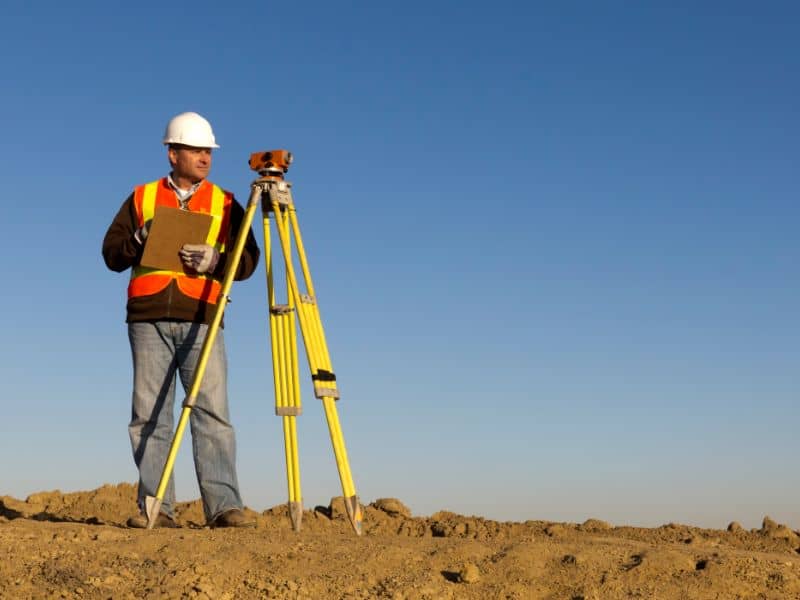
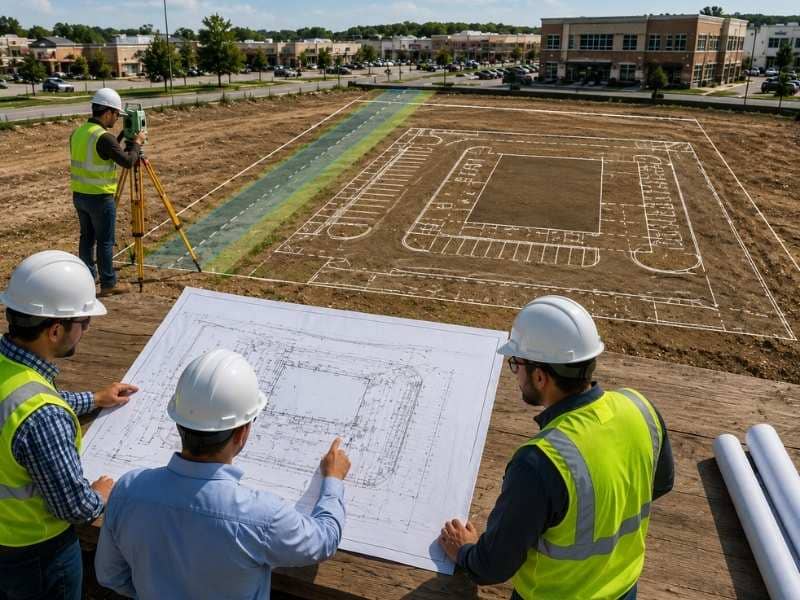
Huntsville Land Surveying - Land surveyor using a total station tripod during a field survey in Huntsville, Alabama

Huntsville Land Surveying

Posted in land surveying, land surveyor | Tagged boundary survey, flood map, Huntsville AL Land Surveyor, Land Surveying, land surveyor, Land Surveyor Huntsville AL

When a Cadastral Surveyor Is Needed for Parcel Splits

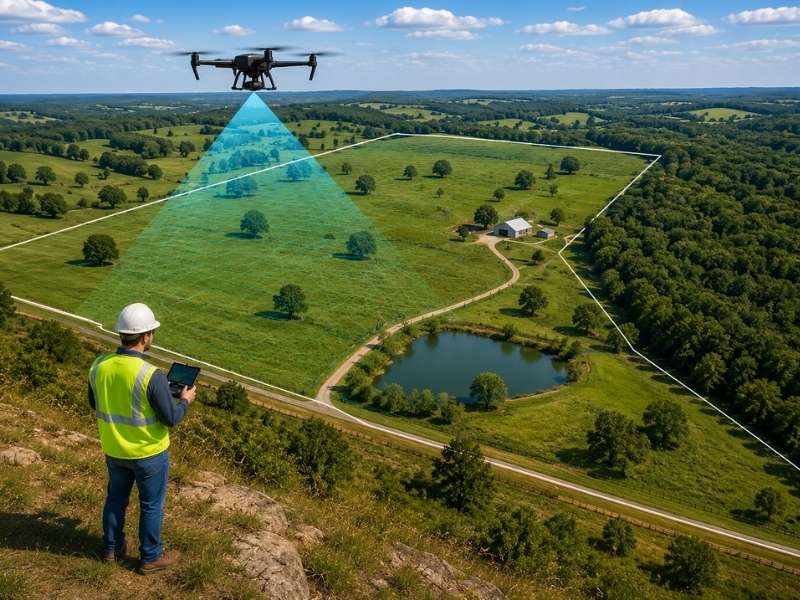
Land surveyor using digital mapping technology to plan parcel splits and define property boundaries for land surveying

You own a large piece of land. You want to split it into two or more separate lots. Simple enough, right?

Not exactly. Before any legal division can happen, you need a cadastral surveyor. Skip this step and the split won’t hold up in court, at the county recorder’s office, or with a title company. Developers who try to move too fast here almost always run into delays that cost more than the survey itself would have.

A cadastral surveyor handles the legal definition of land boundaries. When a parcel split is involved, that means mapping exactly where one new lot ends and another begins, then creating the legal documents that make it official.

What Is a Cadastral Survey?

A cadastral survey defines land ownership boundaries for legal and government purposes. It ties the physical land to the official public record.

When you split a parcel, every new lot needs its own legal description. That description has to match what is recorded with the local government. A cadastral survey produces that documentation.

This is different from a general boundary survey. A boundary survey tells you where your existing property lines are. A cadastral survey goes further. It creates or redefines legal parcels that can be transferred, sold, taxed, or developed as separate units.

When Does a Parcel Split Require a Cadastral Surveyor?

Every parcel split requires one. There are no exceptions in any county recording system across the country. Here is when that need becomes most urgent for developers.

Before filing a subdivision plat, a plat is a recorded map of the new lots. No surveyor, no plat. No plat, no recorded split.

Before selling any portion of the land, title companies require a legal description that matches recorded documents. If the cadastral survey has not been done, the transaction cannot close.

Before pulling permits on the new lots, most jurisdictions require proof of legal lot status before issuing a building permit. A recorded cadastral survey provides that proof.

When the original parcel has an old or unclear deed, older properties sometimes carry vague legal descriptions. A cadastral surveyor researches the title history, finds existing monuments, and establishes accurate boundaries before the split is recorded.

What a Cadastral Surveyor Does During a Parcel Split

The process has a few key stages.

Title and deed research comes first. The surveyor pulls recorded deeds, prior surveys, and county records for the parent parcel and its neighbors. This uncovers any easements, rights-of-way, or conflicts that need to be resolved before the split moves forward.

Then comes field work. The surveyor goes to the property, locates existing boundary monuments, sets new corner markers for each proposed lot, and takes precise measurements using GPS and total station equipment.

Each new lot then gets a written legal description. This is the language that goes into the deed and gets recorded with the county.

The surveyor also draws the official subdivision or parcel split plat. This is the map that gets reviewed, approved, and recorded. It shows each lot, its dimensions, any easements, and how it connects to surrounding parcels and roads.

Most jurisdictions require a review process before a plat is approved. The cadastral surveyor typically works with the county planning department, public works, or the recorder’s office to get the documents through.

Cadastral Survey vs. Boundary Survey: What Developers Need to Know

A boundary survey tells you where a property line is. A cadastral survey creates or legally redefines where property lines are.

For a simple property purchase, a boundary survey may be enough. For a parcel split, only a cadastral survey will do. The reason is simple: you are not just identifying existing lines. You are establishing new ones that will be recorded as official public records.

Developers sometimes try to use an old boundary survey to support a parcel split. Title companies and county recorders will not accept that. The new legal descriptions have to come from a fresh cadastral survey done specifically for the split.

How Long Does the Process Take?

It depends on the size and complexity of the parcel, the county’s review timeline, and whether any title issues come up during research.

A straightforward two-lot split on a clean parcel in a county with a fast review process can be done in a few weeks. A larger multi-lot split, or one with old deed language and missing monuments, can take several months.

The cadastral survey itself is not usually the slow part. County review and approval is where most splits lose time. Developers who start the process early avoid the worst delays.

What Can Go Wrong Without a Cadastral Surveyor

Skipping this step creates serious problems.

The split may not be legally valid. A handshake agreement or a rough sketch does not divide land. Only a recorded plat with a cadastral survey behind it creates separate legal parcels.

Permits get denied. Building departments check lot status. If the split is not recorded, permits for any new construction get denied.

Title issues block future sales. A parcel split that was never properly surveyed and recorded will surface during title searches. Buyers and lenders will not move forward until the problem is fixed, and fixing it after the fact costs more than doing it right the first time.

Easements and rights-of-way get missed. Utility easements, drainage easements, and road rights-of-way have to be identified and shown on the plat. If they are not, lot lines may run through areas where no development is allowed. The surveyor catches these during title research.

Working With a Cadastral Surveyor as a Developer

A few things speed the process up.

Provide the current deed and any prior surveys you have. The more documentation the surveyor starts with, the less research time is needed.

Know your intended lot layout before the first meeting. You do not need exact dimensions, but a general idea of how you want the land split helps the surveyor plan the field work efficiently.

Ask about the county’s review timeline upfront. Some counties are fast. Others have review cycles that meet only once a month. Build this into your project schedule before you commit to any downstream dates.

If there are existing structures, utility lines, or access roads on the property, tell the surveyor before the field work begins. These affect where new lot lines can legally go.

Frequently Asked Questions

What is a cadastral surveyor? 

A cadastral surveyor establishes and documents legal land boundaries for official records. They create or redefine parcel descriptions that get recorded with local government as the legal basis for ownership, taxation, and development.

Do I always need a cadastral surveyor for a parcel split? 

Yes. Every parcel split that results in a new recorded lot requires a cadastral survey. There is no legal path around it if you want the new parcels to be titled, permitted, or sold separately.

How is a cadastral survey different from a boundary survey? 

A boundary survey identifies where existing property lines are. A cadastral survey creates or redefines legal parcel lines and produces the recorded plat and legal descriptions needed to make new lots official.

How much does a cadastral survey for a parcel split cost? 

Cost varies based on parcel size, complexity, title research needs, and local rates. A simple two-lot split costs less than a multi-lot subdivision. Getting quotes from licensed surveyors in your area is the only way to get accurate numbers.

Can I use an old survey to support a parcel split filing? 

No. County recorders and title companies require a new cadastral survey completed specifically for the split. An existing boundary survey will not satisfy that requirement.

Posted on June 5, 2026 by HunstvillePLSJune 3, 2026

Why Property Line Markers Sometimes Go Missing

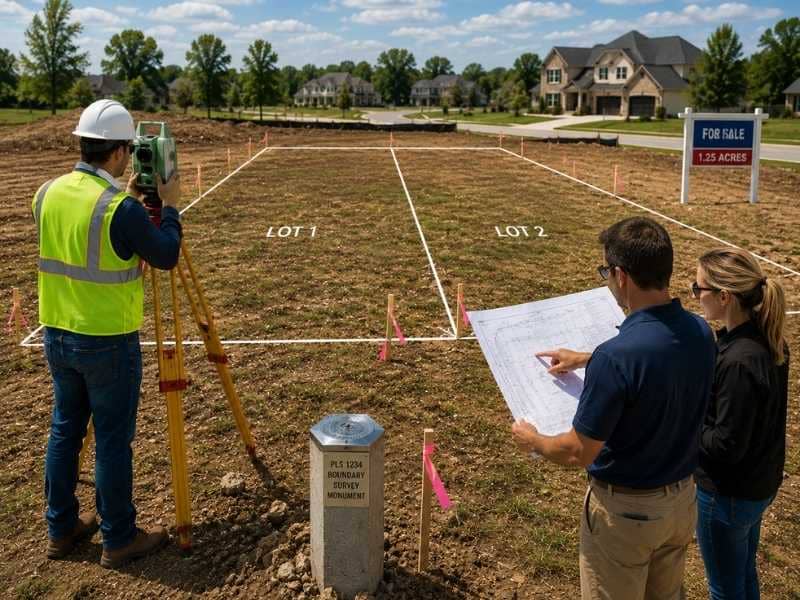
Land surveying showing property line markers and boundary corners on a residential lot

Property line markers are easy to forget until they disappear. A missing marker can slow a project and create confusion about where the property begins and ends. Knowing why markers go missing can help developers avoid problems later.

What Are Property Line Markers?

Property line markers are physical points placed at property corners. They help show where one parcel ends and another begins.

Why They Matter to Developers

Clear boundary corners help developers plan projects with confidence. They also reduce the risk of building in the wrong place.

Why Property Line Markers Sometimes Go Missing

Property markers can disappear for many reasons. Some are hidden over time, while others are damaged or removed.

Construction Activity Can Disturb Markers

Excavation, grading, and utility work can affect existing corners. Heavy equipment may cover or damage them.

Natural Changes Can Hide Them

Flooding, erosion, and soil movement can bury boundary markers. Thick vegetation may also make them hard to find.

Landscaping Projects Can Cover Boundary Corners

New driveways, flower beds, and retaining walls sometimes cover existing markers. In many cases, people do not know they are there.

Age and Corrosion Take a Toll

Metal pins can rust and concrete monuments can wear down. Some markers sink deeper into the ground over time.

Some Markers Get Removed by Mistake

Not everyone knows what a survey marker looks like. A marker may be moved or removed without anyone realizing its purpose.

Missing Property Line Markers Can Create Problems

A missing corner can create delays and extra costs. It may also raise questions about boundary lines.

Delays During Development

Many projects need clear boundary information before work can begin. Missing markers can slow the process.

Fence and Structure Placement Issues

Buildings and fences should stay within property lines. Missing corners make that harder to confirm.

Neighbor Disagreements

Boundary questions can lead to conflicts between property owners. Missing markers often add to the confusion.

Problems During Property Transactions

Buyers and lenders want clear boundary information. Missing corners may require additional survey work.

Can You Replace Missing Property Line Markers Yourself?

Guessing a corner location can create bigger problems. Property boundaries should not be estimated.

How Surveyors Locate Lost Property Corners

Finding a missing marker takes more than searching the ground. Surveyors review records and look for physical evidence.

Reviewing Historical Documents

Old surveys and deeds often provide important clues. They help connect past records with current conditions.

Searching for Existing Evidence

Nearby markers and monuments may still exist. They can help confirm the original boundary.

Using Modern Measuring Equipment

Modern equipment allows surveyors to collect accurate measurements. This helps restore lost corners.

Setting New Markers When Needed

A new marker may be placed if the original one cannot be found. This provides a clear reference for the future.

How Developers Can Help Protect Boundary Markers

Simple steps can help keep existing corners from being disturbed.

Check Corners Before Construction Starts

Knowing where markers are located can prevent accidental damage.

Tell Contractors About Existing Markers

Construction crews should know where boundary corners are located before work begins.

Avoid Heavy Equipment Near Boundary Corners

Keeping equipment away from property corners can help preserve them.

Keep Records and Survey Documents Accessible

Good records make future projects easier. They also help answer boundary questions.

Posted on June 4, 2026 by HunstvillePLSJune 2, 2026

How LiDAR Mapping Helps Detect Hidden Drainage Problems

LiDAR mapping showing terrain elevations and water flow patterns used to identify hidden drainage problems

Water problems often stay hidden until they become expensive. A site may look flat and dry, yet small changes in elevation can cause standing water, erosion, or drainage failures. LiDAR mapping gives developers a clearer view of the land before construction begins. It can reveal low spots, hidden channels, and other features that are hard to see from the ground. Finding these issues early helps prevent costly changes later.

Why Drainage Problems Are Hard to Spot

Surface Conditions Can Be Misleading

Grass, brush, and uneven ground can hide areas where water collects.

Small Elevation Changes Matter

Even a few inches can affect how water moves across a site.

Problems Often Appear After Construction Starts

Poor drainage may not become obvious until heavy rain exposes weak areas.

How LiDAR Mapping Helps Detect Hidden Drainage Problems

LiDAR Creates Detailed Elevation Models

The technology measures the ground surface with a high level of detail.

Hidden Low Areas Become Easier to Find

Depressions and uneven terrain can be identified before grading begins.

Natural Water Flow Patterns Can Be Seen

Developers can understand where water is likely to travel during storms.

Drainage Issues LiDAR Mapping Can Reveal

Areas Prone to Standing Water

Low sections may trap water after rainfall.

Hidden Swales and Drainage Paths

Older drainage channels may still affect a property.

Erosion-Prone Slopes

Steep areas can create runoff problems if they are left untreated.

Surface Features Covered by Vegetation

Dense tree cover may hide terrain changes that affect drainage.

Why Developers Use LiDAR Mapping Before Construction

Better Site Planning

Early information helps avoid redesigns.

Lower Construction Costs

Fixing drainage issues on paper costs less than fixing them in the field.

Improved Stormwater Management

Knowing how water behaves helps support drainage design.

Projects That Benefit From LiDAR Mapping

Residential Developments

Large subdivisions often require careful grading.

Commercial Sites

Parking lots and buildings depend on proper drainage.

Industrial Properties

Large paved areas increase runoff and require planning.

Road and Utility Projects

Changes in elevation affect drainage systems and water movement.

Common Mistakes Developers Make

Assuming the Ground Is Flat

Appearances can be deceiving.

Waiting Until Water Problems Appear

Corrections become more expensive after construction begins.

Ignoring Existing Drainage Patterns

Water usually follows paths that have formed over time.

Why Early Site Information Matters

Hidden drainage issues can delay projects and increase costs. LiDAR gives developers a better understanding of the land before work starts. With more accurate elevation data, teams can make better decisions and reduce the risk of future drainage problems.

Frequently Asked Questions

What is LiDAR mapping used for?

LiDAR mapping is used to create detailed elevation models that help identify terrain features, drainage paths, and changes in ground elevation.

Can LiDAR mapping find drainage problems?

Yes. It can reveal low areas, slopes, and natural water channels that may affect a project.

Does LiDAR work in wooded areas?

Yes. LiDAR can collect ground information even when trees and vegetation cover the surface.

Why do developers use LiDAR mapping?

Developers use it to understand site conditions and reduce the chance of expensive changes later.

Is LiDAR mapping useful before construction?

Yes. Early site information helps with grading, drainage planning, and project design.

Posted on June 3, 2026 by HunstvillePLSJune 2, 2026

Post navigation

← Older posts

Contact Us

    © Copyright Huntsville Land Surveying
    Huntsville, Alabama
    Phone: (256) 585-6002

    Privacy Policy | Terms of Use

    Web Development and SEO by: AuburnBusiness.com

    This website is a marketing website for Mike Stanley, PLS, Stanley Land Surveying, who provides professional land surveying and engineering services in the Huntsville, Alabama area.

    ↑