
Why Property Line Markers Sometimes Go Missing
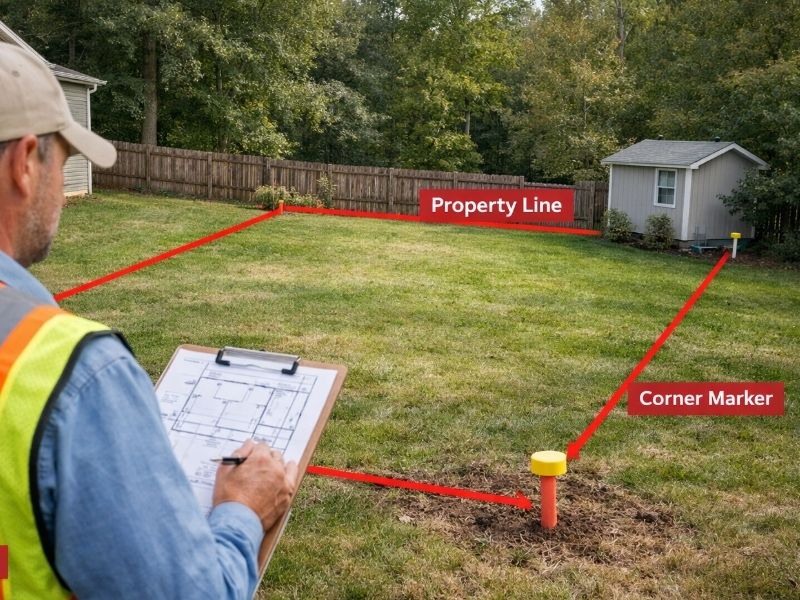
Property line markers are easy to forget until they disappear. A missing marker can slow a project and create confusion about where the property begins and ends. Knowing why markers go missing can help developers avoid problems later.
What Are Property Line Markers?
Property line markers are physical points placed at property corners. They help show where one parcel ends and another begins.
Why They Matter to Developers
Clear boundary corners help developers plan projects with confidence. They also reduce the risk of building in the wrong place.
Why Property Line Markers Sometimes Go Missing
Property markers can disappear for many reasons. Some are hidden over time, while others are damaged or removed.
Construction Activity Can Disturb Markers
Excavation, grading, and utility work can affect existing corners. Heavy equipment may cover or damage them.
Natural Changes Can Hide Them
Flooding, erosion, and soil movement can bury boundary markers. Thick vegetation may also make them hard to find.
Landscaping Projects Can Cover Boundary Corners
New driveways, flower beds, and retaining walls sometimes cover existing markers. In many cases, people do not know they are there.
Age and Corrosion Take a Toll
Metal pins can rust and concrete monuments can wear down. Some markers sink deeper into the ground over time.
Some Markers Get Removed by Mistake
Not everyone knows what a survey marker looks like. A marker may be moved or removed without anyone realizing its purpose.
Missing Property Line Markers Can Create Problems
A missing corner can create delays and extra costs. It may also raise questions about boundary lines.
Delays During Development
Many projects need clear boundary information before work can begin. Missing markers can slow the process.
Fence and Structure Placement Issues
Buildings and fences should stay within property lines. Missing corners make that harder to confirm.
Neighbor Disagreements
Boundary questions can lead to conflicts between property owners. Missing markers often add to the confusion.
Problems During Property Transactions
Buyers and lenders want clear boundary information. Missing corners may require additional survey work.
Can You Replace Missing Property Line Markers Yourself?
Guessing a corner location can create bigger problems. Property boundaries should not be estimated.
How Surveyors Locate Lost Property Corners
Finding a missing marker takes more than searching the ground. Surveyors review records and look for physical evidence.
Reviewing Historical Documents
Old surveys and deeds often provide important clues. They help connect past records with current conditions.
Searching for Existing Evidence
Nearby markers and monuments may still exist. They can help confirm the original boundary.
Using Modern Measuring Equipment
Modern equipment allows surveyors to collect accurate measurements. This helps restore lost corners.
Setting New Markers When Needed
A new marker may be placed if the original one cannot be found. This provides a clear reference for the future.
How Developers Can Help Protect Boundary Markers
Simple steps can help keep existing corners from being disturbed.
Check Corners Before Construction Starts
Knowing where markers are located can prevent accidental damage.
Tell Contractors About Existing Markers
Construction crews should know where boundary corners are located before work begins.
Avoid Heavy Equipment Near Boundary Corners
Keeping equipment away from property corners can help preserve them.
Keep Records and Survey Documents Accessible
Good records make future projects easier. They also help answer boundary questions.