
What a House Survey Reveals Before You Build or Renovate
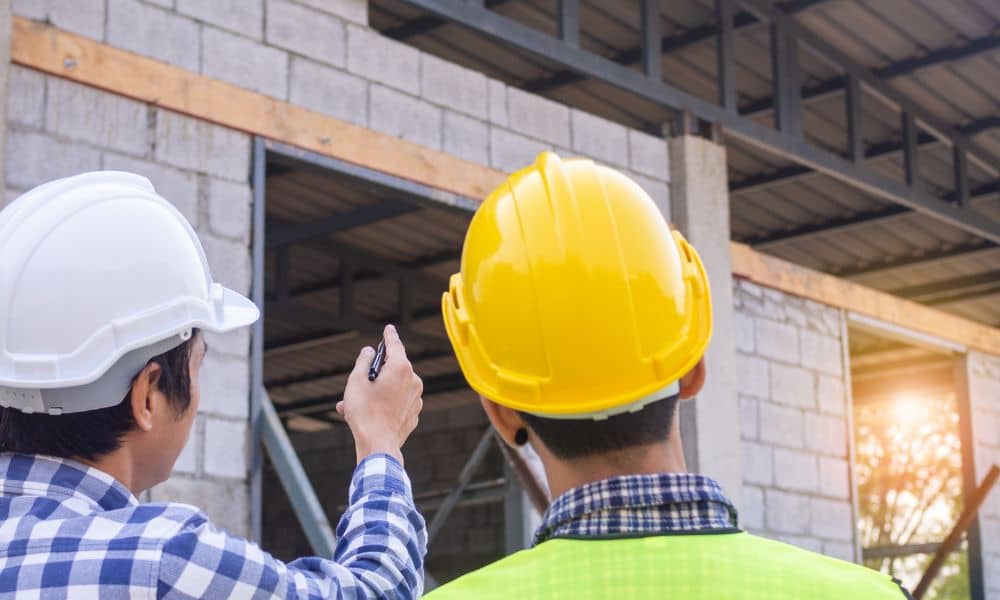
Before you tackle a renovation or new build, a house survey is essential. It uncovers hidden issues that might disrupt your plans or inflate costs. From structural flaws to outdated electrical systems, these insights help you prioritize repairs. You might think you know what’s behind the walls, but you’ll be surprised at what a thorough inspection reveals. Understanding these findings could change your entire approach—so, what exactly should you expect from a comprehensive house survey?
Why a House Survey Is Essential Before Renovation
When you’re planning a renovation, it’s crucial to conduct a house survey first. This step helps you identify any underlying issues that could impact your project. Understanding the condition of your property allows for effective renovation planning.
You’ll discover what areas need immediate attention and what can be deferred, preventing costly surprises down the line. A thorough survey assists in budget assessment too.
By knowing the true state of the property, you can allocate funds wisely, avoiding overspending on unnecessary repairs. You’ll enter the renovation process with greater confidence and a clearer financial strategy, ensuring your plans align with your resources.
Ultimately, a house survey sets the foundation for a successful renovation journey.
What Structural Issues Can a House Survey Reveal?
A house survey can uncover a range of structural issues that mightn’t be immediately apparent, helping you make informed decisions before diving into renovations. For instance, foundation cracks can indicate serious underlying problems that might affect the overall stability of your home. If left unaddressed, these cracks can lead to costly repairs down the line.
Additionally, the survey evaluates roof integrity, checking for sagging, damaged shingles, or leaks that could compromise your home’s protection against the elements. Identifying these issues early on allows you to plan effectively, avoiding unexpected setbacks and expenses.
With this information, you can prioritize your renovation efforts and ensure your home is safe and sound for years to come.
How to Spot Potential Pest Infestations?
When it comes to spotting potential pest infestations, knowing what indicators to look for is key. You’ll want to familiarize yourself with common signs and effective inspection techniques to catch any issues early.
Additionally, understanding prevention strategies can help keep your home pest-free during and after your renovation.
Common Pest Indicators
While you prepare to build or renovate, being vigilant about common pest indicators can save you time and money down the line.
Catching pest infestation signs early is crucial for effective pest control. Look for these telltale signs:
- Droppings: Find small droppings around common pest hideouts like corners and cabinetry.
- Damaged Wood: Notice any hollow-sounding or crumbling wood, which may indicate termite damage.
- Nests or Hives: Spot nests in hidden areas, such as attics or basements, suggesting rodent or insect activity.
Inspection Techniques Explained
To effectively spot potential pest infestations, you should employ a combination of visual inspections and careful observations in key areas of your home.
Start by checking for signs of entry points, such as cracks and gaps around doors and windows. Use moisture detection tools to identify damp areas, as moisture attracts pests. Pay attention to basements and crawl spaces, where infestations often begin.
Thermal imaging can also be invaluable; it reveals temperature differences indicating pest activity within walls. Regularly inspect wooden structures for signs of decay or boring insects.
Keep an eye out for droppings or shed skins in hidden areas. By being proactive and thorough, you’ll catch infestations early, saving yourself time and money down the road.
Prevention Strategies Overview
Identifying potential pest infestations before they become a serious problem is key to maintaining a safe and healthy home.
Proactive prevention strategies should be part of your renovation planning and preventive maintenance routines. Here’s how you can spot issues early:
- Inspect for Signs: Look for droppings, gnaw marks, or nests in hidden areas like attics and basements.
- Check Entry Points: Seal cracks and gaps around windows, doors, and foundations to keep pests out.
- Monitor Moisture: Keep areas dry, as standing water can attract insects and rodents.
House Survey: Evaluating Electrical and Plumbing System
 When assessing your home’s condition before any building or renovation, don’t overlook the crucial aspect of electrical and plumbing systems. These elements are central to your home’s functionality and safety.
Start by evaluating electrical safety; check for outdated wiring, overloaded circuits, and any signs of wear. A professional inspection can reveal hidden issues that could pose dangers down the line.
Next, focus on plumbing efficiency. Look for leaks, low water pressure, and the condition of pipes. Proper drainage and sufficient water supply can save you headaches and costs in the future.
Addressing these systems during a survey ensures that your investments in building or renovation won’t be jeopardized by underlying problems. Prioritize these assessments to safeguard your home.
Why Location Matters in Your Survey
When you’re surveying a property, location plays a crucial role in determining its value.
Environmental factors can impact your plans and even your future comfort, while accessibility and infrastructure can influence your daily life.
Understanding these elements can help you make informed decisions about your building or renovation project.
Property Value Assessment
Location plays a crucial role in the property value assessment during your house survey. Understanding property market trends in your area helps you gauge the investment potential of your current or future property. A well-located property often holds its value better and can yield higher returns.
- Proximity to schools, parks, and amenities
- Neighborhood safety and growth potential
- Accessibility to public transport and major roads
These factors significantly impact property values. When you assess these elements in your survey, you’re better equipped to make informed decisions.
Always remember, investing in a prime location typically means securing your financial future while ensuring your property meets your lifestyle needs.
Environmental Considerations Impact
Assessing property values isn’t just about the area’s amenities; it’s also about the environmental factors that come into play. When you’re considering a location for your build or renovation, think about sustainability practices that can affect property value long-term.
For instance, homes built with energy-efficient materials often draw potential buyers because they align with increasing environmental regulations and societal preferences for green living. If the area has a history of pollution or inadequate waste management, it could deter future buyers and impact your investment.
Understanding the local climate, natural resources, and potential hazards, like flooding or air quality issues, also plays a crucial role in your assessment. So, consider these environmental factors before making any decisions.
Accessibility and Infrastructure Evaluation
Evaluating accessibility and infrastructure is crucial for any building or renovation project.
You need to ensure that your selected location supports your vision. Conducting an accessibility audit and an infrastructure analysis will help you identify potential challenges and benefits.
Consider these key factors:
- Proximity to public transport: Easy access can increase your property’s value and convenience.
- Road quality and connectivity: Reliable access routes are essential for construction and daily commutes.
- Availability of utilities: Check for essential services like water, electricity, and internet, as they’re vital for a functional space.
Cost Implications of Repairs Revealed by a House Survey
While you might be excited about your upcoming building or renovation project, a house survey can unveil hidden issues that could significantly impact your budget.
You’ll need to consider the cost implications of repairs revealed, which may disrupt your initial repair budgeting. If the survey highlights major structural problems or outdated systems, you’ll have to adjust your renovation priorities accordingly.
These unexpected expenses can lead to added stress if not planned for in advance. By addressing these findings early, you can create a more realistic budget and timeline.
Ultimately, gaining an understanding of potential repairs helps you make informed decisions that align with your vision and financial capabilities, ensuring a smoother renovation process.
How to Choose the Right Surveyor for Your Project?
Finding the right surveyor can make a significant difference in ensuring your renovation project runs smoothly. To choose wisely, consider the following:
- Surveyor qualifications: Check if they’ve the relevant credentials and experience in your specific type of project.
- Client testimonials: Read reviews from previous clients to gauge their satisfaction and the surveyor’s track record.
- Communication skills: Ensure they can explain complex concepts in a way that makes sense to you.
Frequently Asked Questions
How Long Does a House Survey Typically Take to Complete?
A house survey typically takes one to three hours to complete, depending on the size and condition of the property. To streamline the process, you can prepare by clearing access areas and having documentation ready.
Do I Need a Survey if My House Is New?
Yes, you still need a survey for new construction. Even new homes can have issues. Property condition assessments help ensure everything meets standards, and new construction inspections can reveal potential problems you might overlook.
Can I Attend the House Survey in Person?
Yes, you can attend the house survey in person. It’s important to grasp the survey importance and ask questions. Bring a notepad for survey preparation tips, so you can fully understand the findings later.
What Happens if the Survey Uncovers Major Issues?
If the survey uncovers major issues, you’ll face repair costs that could be significant. However, you gain negotiation leverage to address these issues with the seller, potentially lowering the price or requesting repairs before purchase.
Will a House Survey Affect My Insurance Premiums?
Yes, a house survey can affect your insurance premiums. If structural issues arise, insurance implications may lead to higher rates. Be mindful of building regulations; non-compliance can also impact your coverage and premiums significantly.