
Why a Topographic Survey Is the First Step Before Any Site Design
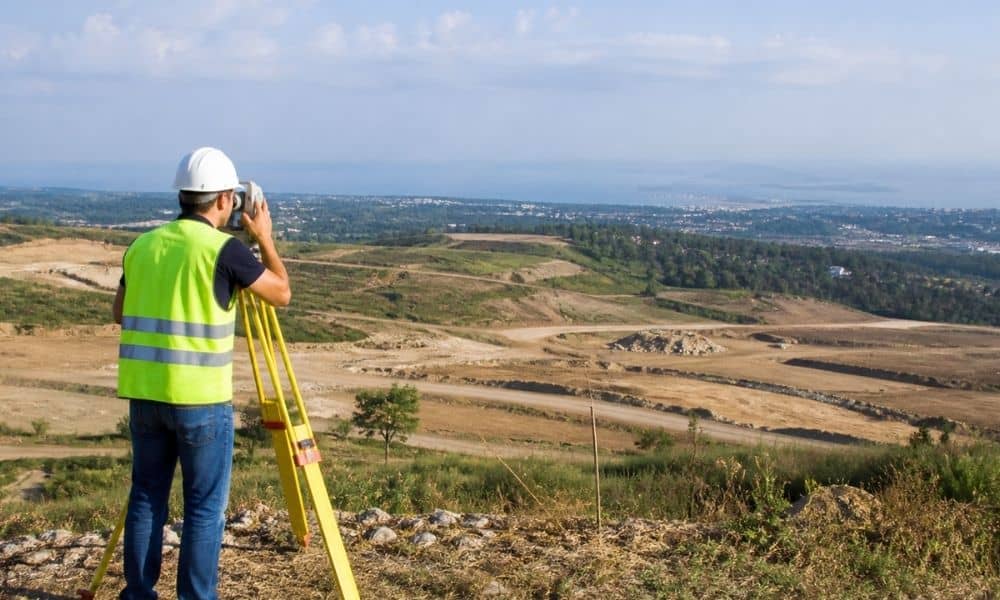
Before you jump into site design, consider the pivotal role of a topographic survey. It lays the groundwork by revealing the land’s contours, elevations, and existing features. This information is crucial for identifying potential drainage issues and making informed decisions about layout. Skipping this step could lead to costly mistakes. So, what happens when you don’t have accurate data to guide your design?
What Is a Topographic Survey and Why Is It Important?
A topographic survey is like a detailed map of a piece of land, showing the natural and man-made features that define its shape and elevation. Understanding what a topographic survey entails is crucial for anyone involved in site design.
It identifies various survey types, each tailored to specific needs and environments, like boundary or construction surveys. By employing advanced survey software, you can gather accurate data efficiently, ensuring you have a clear understanding of the site.
This information not only helps in making informed design decisions but also aids in complying with local regulations. Ultimately, a topographic survey lays the groundwork for successful projects, saving you time and cost by preventing future complications during development.
The Role of Topographic Surveys in Effective Site Design
Understanding topographic surveys is essential for effective site design.
You’ll gain insights into site elevations, identify natural drainage patterns, and analyze land features that influence your project.
This foundational knowledge helps in making informed decisions that enhance both functionality and aesthetic appeal.
Understanding Site Elevations
Site elevations play a crucial role in shaping the effectiveness of your project design. Understanding elevation accuracy is essential, as it directly influences how your site will function and appear.
Accurate elevation data allows you to create precise contour mapping, which highlights the terrain’s variations. This information helps you plan your project layout, ensuring that you’re accounting for slopes, rises, and dips.
When you’re equipped with reliable site elevation data, you can avoid potential difficulties later in the design process, such as drainage issues or structural instability.
By incorporating topographic surveys early on, you set a solid foundation for your design, maximizing both aesthetics and functionality.
Ultimately, understanding site elevations leads to more informed decisions and smoother project execution.
Identifying Natural Drainage Patterns
Recognizing how site elevations influence natural drainage patterns is vital for effective site design. When you conduct a topographic survey, you’ll uncover how water flows across the landscape, which is crucial for planning your drainage systems.
Understanding these patterns lets you anticipate potential issues like pooling or erosion, ensuring that your design is sustainable and efficient. A thorough watershed analysis will help you identify where water collects and how it naturally disperses.
Analyzing Land Features
In effective site design, topographic surveys play a crucial role by providing detailed insights into land features. By utilizing contour mapping, you can visualize elevation changes, which is vital for understanding how water drains across the site. Additionally, landform classification helps you identify various terrains and their suitability for specific uses.
| Land Features | Importance |
|---|---|
| Hills and Valleys | Affect drainage patterns |
| Flat Areas | Ideal for construction |
| Slopes | Require special considerations |
| Wetlands | Need protection and planning |
With this data, you can make informed decisions, ensuring your design is both functional and harmonious with the landscape. Engaging in this analysis sets the foundation for successful development.
Avoiding Common Mistakes When Conducting Topographic Surveys
When you’re conducting a topographic survey, it’s crucial to avoid common pitfalls that can lead to inaccurate results.
Make sure you’re using the right data collection techniques, proper equipment, and skilled personnel.
This way, you’ll set a solid foundation for your site design.
Accurate Data Collection Techniques
To ensure the success of your topographic survey, it’s essential to gather accurate data while steering clear of common pitfalls.
One major mistake is overlooking the importance of consistent data collection techniques. Always ensure that you’re using the same method throughout your survey to maintain survey accuracy.
Consider the terrain and environmental conditions; these can impact your measurements significantly. Always double-check your reference points and ensure they’re set correctly.
Additionally, maintain clear communication with your team to avoid misinterpretations during the survey process. Taking the time to plan and execute your data collection properly will increase reliability and provide you with the foundational information needed for effective site design.
Proper Equipment Utilization
Proper equipment utilization is crucial for conducting effective topographic surveys, and avoiding common mistakes can save you time and resources.
First, ensure your survey technology is up-to-date and properly configured. Regular equipment calibration is vital; an uncalibrated device can lead to inaccurate data and costly errors. Familiarize yourself with the specific features of your equipment to optimize performance and capture precise measurements.
Remember to select the right tools for your project’s unique requirements; using inappropriate instruments can compromise data quality.
Finally, keep your equipment clean and well-maintained to avoid malfunctions during surveys. By taking these steps, you enhance the integrity of your topographic surveys and lay a solid foundation for successful site design.
Skilled Personnel Engagement
Effective topographic surveys aren’t just about the right equipment; they also rely heavily on skilled personnel. Investing in skilled personnel training is crucial.
Well-trained surveyors understand the nuances of terrain and can effectively interpret data, reducing errors and costly rework. Collaborating with experts will enhance the survey’s accuracy and efficiency.
When you engage with professionals who possess a wealth of experience and knowledge, you’re more likely to avoid common mistakes that could lead to project delays. Ensure that everyone involved communicates openly and articulates any concerns.
By prioritizing skilled personnel engagement and fostering expert collaboration, you’ll streamline the survey process and set a solid foundation for your site design.
Topographic Data’s Role in Identifying Site Challenges
Topographic data plays a crucial role in identifying site challenges that could affect your project’s success. By analyzing this data, you can better understand the specific obstacles you may face, ensuring your design is effective and sustainable.
Key elements to consider include:
- Terrain variation: Recognizing slopes, depressions, and elevation changes helps you plan for drainage and accessibility.
- Vegetation analysis: Understanding the types and distributions of plants can impact soil stability and environmental factors.
- Water flow: Identifying natural drainage patterns allows you to manage runoff and prevent flooding.
The Cost-Benefit Analysis of Conducting a Topographic Survey
Understanding site challenges through topographic data not only helps in planning but also highlights the importance of conducting a topographic survey. Weighing the cost implications against potential benefits is crucial for your project’s success.
While the initial investment for a topographic survey may seem high, consider it as a long-term saving strategy. By identifying issues like drainage, slope, and vegetation right away, you can avoid costly modifications later.
Additionally, the survey duration is typically short relative to the ongoing expenses that arise from oversight. Investing time and resources upfront ensures that your design is based on accurate, detailed data, ultimately leading to a more efficient workflow and reduced project delays.
Choosing the Right Surveying Service for Your Site Challenges
How do you choose the right surveying service to tackle your site challenges? Start by assessing what you need, and consider the following:
- Surveying Methods: Ensure they use updated techniques that suit your site conditions.
- Choosing Equipment: Ask about the technology they use to guarantee accurate data collection.
- Site Evaluations and Project Timelines: Understand their experience with similar projects and how quickly they can deliver results.
Choosing a service that aligns with your specific needs will help streamline your project. Good communication and responsiveness are crucial, as they can make or break your timelines.
Successful Projects Driven by Topographic Surveys
In any successful project, accurate data is key, and topographic surveys deliver that by capturing the intricate details of a site’s terrain and features. When it comes to site redevelopment, having a precise understanding of elevation changes, water drainage, and existing features plays a crucial role in your design process.
Topographic surveys provide essential information that helps you effectively plan and execute your project while adhering to regulatory requirements. Moreover, during an environmental assessment, these surveys highlight potential environmental impacts, ensuring that you’re addressing concerns proactively.
Frequently Asked Questions
How Long Does a Topographic Survey Typically Take?
A topographic survey typically takes a few days to a couple of weeks, depending on survey duration and project factors like site size, complexity, and accessibility. It’s essential to plan for any potential delays.
What Equipment Is Used in a Topographic Survey?
For a topographic survey, you’ll typically use surveying technology like total stations, GPS equipment, and drones. These tools ensure measurement accuracy, allowing you to capture precise land features and elevations effectively.
Can a Topographic Survey Be Done in Winter?
Yes, you can conduct a topographic survey in winter, but you’ll face survey challenges like snow coverage and icy conditions. Ensure your equipment can handle these winter conditions for accurate measurements and safety.
Are There Legal Requirements for Conducting Topographic Surveys?
Yes, there’re legal requirements for conducting topographic surveys. You’ll need to adhere to specific survey standards to avoid legal implications. Ensuring accuracy and compliance protects you from potential disputes and liabilities in your project.
How Often Should Topographic Surveys Be Updated?
You should update topographic surveys every few years or whenever significant terrain changes occur. Regular survey frequency helps ensure your site design remains accurate and aligns with any alterations in the landscape’s features or regulations.